Achieving a smooth, hydrated, luminous complexion is less about using dozens of products and more about following the right skincare layering routine. Korean-inspired skincare focuses on hydration, lightweight textures, and consistent application rather than simply adding more products. Understanding the correct skincare routine order can help your products work comfortably together and support a healthy-looking glow.
For anyone wondering how to get glass skin, the key is a simple routine built around cleansing, hydration, targeted ingredients, and moisturization. The most important rule is to generally apply products from thin to thick consistency, beginning with lightweight, water-based formulas and finishing with richer products.
What Is a Skincare Layering Routine?
A skincare layering routine means applying skincare products in a logical sequence so each formula can spread evenly across the skin. Korean skincare often follows the principle of water-based first, occlusive last, although the exact number of steps can vary depending on your skin type and the products you use.
The objective is not to create an extremely complicated routine. Instead, the focus is on maintaining hydration and using compatible products consistently.
| Layering Principle | What It Means |
| Thin to thick consistency | Start with lightweight formulas |
| Water-based first | Apply watery products before creams |
| Targeted treatment | Use serums or treatment products after hydration layers |
| Moisturizer | Helps maintain skin comfort and hydration |
| Occlusive last | Richer products can be used as the final night layer |
| Sunscreen | Essential final morning skincare step |
Skincare Routine Order for Glass Skin
The ideal skincare routine order depends on the products you use, but a basic Korean-inspired routine can remain surprisingly simple.
Step 1: Gentle Cleanser
Start with a gentle cleanser to remove everyday buildup, excess oil, sweat, and impurities. Avoid cleansing so aggressively that your skin feels excessively dry or uncomfortable afterward.
For an evening routine, double cleansing can be considered when you need to remove sunscreen or makeup. However, it is not necessary for everyone every day.
Step 2: Hydrating Toner
After cleansing, apply a lightweight hydrating toner. This step can provide an initial layer of hydration and prepare the skin for subsequent products.
Look for ingredients commonly used in hydrating skincare, such as:
- Glycerin
- Hyaluronic acid
- Panthenol
- Beta-glucan
- Centella asiatica
A hydrating toner is different from an exfoliating toner, so choose according to your skin’s needs.

Step 3: Fermented Essence
A fermented essence is a popular element in Korean-inspired skincare routines. Fermented ingredients are commonly included in formulas designed to provide hydration and support a smooth-looking complexion.
Apply a small amount of essence after toner and gently pat or spread it across the face.
| Product | Primary Routine Role |
| Cleanser | Removes impurities |
| Toner | Adds lightweight hydration |
| Fermented essence | Provides another hydration layer |
| Serum | Targets specific skincare concerns |
| Moisturizer | Supports the skin barrier |
| Sunscreen | Provides daytime UV protection |
Step 4: Apply a Targeted Serum
Once your skin has received lightweight hydration, apply a serum based on your skincare goals.
For a glowing appearance, people commonly look for ingredients such as niacinamide, vitamin C derivatives, hyaluronic acid, or other well-formulated cosmetic ingredients.
Do not assume that using multiple active serums simultaneously will produce faster results. Introducing too many products at once can make it difficult to identify which product your skin likes or dislikes.
How Much Serum Should You Use?
More product does not automatically mean better results. Follow the product’s directions and use an appropriate amount that spreads comfortably without leaving excessive residue.
Step 5: Eye Care, If Needed
Eye products are optional. If you use an eye cream or gel, it can generally be applied after lighter treatment products and before your main moisturizer.
The eye area can be more delicate, so avoid introducing strong active ingredients around the eyes unless the product is specifically formulated for that area.
Step 6: Moisturizer
Moisturizer is an important part of a hydrating skincare routine because it helps reduce water loss and keeps the skin feeling comfortable.
Choose the texture according to your skin type.
| Skin Type | Commonly Preferred Texture |
| Oily skin | Lightweight gel or gel-cream |
| Combination skin | Lightweight lotion or gel-cream |
| Normal skin | Lotion or cream |
| Dry skin | Rich cream |
| Dehydrated skin | Hydrating cream with barrier-supporting ingredients |
Step 7: Occlusive Last at Night
The occlusive last principle is particularly useful in a nighttime routine. A richer cream or suitable occlusive product can be applied as the final skincare layer when your skin needs additional moisture retention.
However, an occlusive layer is optional rather than mandatory. If your moisturizer already provides enough comfort, adding another layer may not be necessary.
Morning vs Night Skincare Layering Routine
Your morning and evening routines do not need to contain the same number of products. A practical routine is often easier to maintain consistently.
| Morning Routine | Night Routine |
| Gentle cleanser | Cleanser |
| Hydrating toner | Toner |
| Fermented essence | Fermented essence |
| Serum | Treatment serum |
| Moisturizer | Moisturizer |
| Broad-spectrum sunscreen | Optional final occlusive |
Sunscreen Is the Final Morning Step
If you want to maintain a healthy-looking glow, sunscreen should not be skipped. Apply a broad-spectrum sunscreen as the final step of your morning skincare routine and reapply according to the product directions and your exposure.
How to Get Glass Skin Without Over-Layering
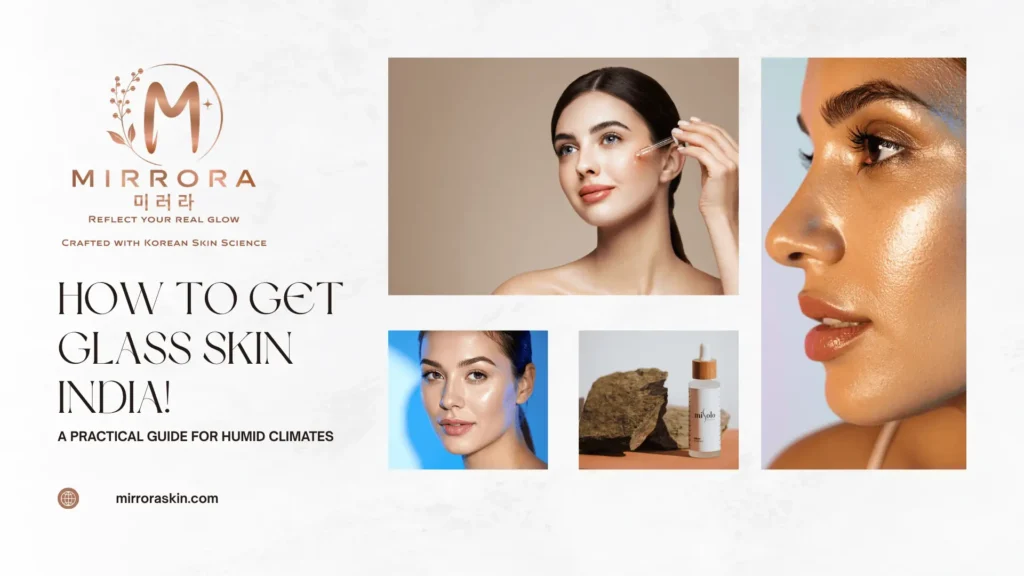
The popular idea of glass skin describes a complexion that appears exceptionally smooth, hydrated, and luminous. It does not mean that real skin needs to look completely poreless or flawless.
A practical approach to how to get glass skin includes:
- Maintaining consistent cleansing.
- Prioritizing hydration.
- Choosing suitable skincare ingredients.
- Avoiding unnecessary product overload.
- Supporting the skin barrier.
- Using sunscreen every morning.
- Introducing new products gradually.
- Keeping exfoliation appropriate for your skin.
| Glass Skin Goal | Skincare Approach |
| Hydrated appearance | Humectant-rich products |
| Smooth-looking texture | Gentle, consistent skincare |
| Healthy glow | Hydration + appropriate treatments |
| Comfortable skin | Barrier-supportive moisturizer |
| Daytime protection | Broad-spectrum sunscreen |
| Layering efficiency | Thin to thick consistency |
Common Skincare Layering Mistakes
Even a well-designed routine can become ineffective if products are applied incorrectly or used excessively.
Applying Heavy Products First
Starting with a thick cream can make it difficult for lightweight products to spread comfortably. Following thin to thick consistency is generally a better approach.
Using Too Many Actives
Combining numerous exfoliating or treatment products can unnecessarily complicate your routine. Start with fewer products and introduce new ingredients gradually.
Skipping Sunscreen
A morning routine without sunscreen misses an important part of everyday skincare.
Changing Products Too Frequently
Skin routines often need consistency. Constantly replacing products makes it difficult to understand what works well for your skin.
Ignoring Skin Type
A routine designed for very dry skin may feel heavy on oily skin, while an extremely lightweight routine may not provide enough comfort for dry skin.
A Simple Glass Skin Routine for Beginners
Beginners do not need a 10-step routine. Start with the essentials and build gradually.
| Stage | Beginner-Friendly Product |
| 1 | Gentle cleanser |
| 2 | Hydrating toner |
| 3 | Essence |
| 4 | One suitable serum |
| 5 | Moisturizer |
| 6 | Sunscreen in the morning |
This approach keeps the skincare layering routine manageable while allowing you to understand how your skin responds to individual products.
Final Thoughts
A successful skincare layering routine does not depend on having the largest skincare collection. The foundation is understanding skincare routine order, choosing appropriate formulas, and applying products from lightweight to richer textures.
If your goal is to understand how to get glass skin, focus on hydration, consistency, barrier care, suitable treatment products, and daily sun protection. A fermented essence can be included as one hydration-focused layer, while the thin to thick consistency, water-based first, and occlusive last principles can help simplify product application.
The best routine is ultimately one that suits your skin, fits your lifestyle, and is easy to maintain consistently. With a thoughtful approach to Korean-inspired skincare, you can work toward a fresh, hydrated, and naturally luminous-looking complexion without unnecessarily complicated layering.
FAQs
1. What is the correct skincare layering routine?
A commonly used order is cleanser, toner, essence, serum, moisturizer, and sunscreen in the morning. At night, sunscreen is omitted and a richer final layer can be added if needed.
2. What does thin to thick consistency mean in skincare?
It means applying lighter, more watery products before thicker creams and moisturizers. This makes the overall routine easier to layer.
3. Where should fermented essence be applied?
A fermented essence is generally applied after cleansing and toner and before serum and moisturizer.
4. Can beginners follow a glass skin routine?
Yes. Beginners can start with cleanser, hydrating product, moisturizer, and sunscreen before gradually introducing additional products.
5. How can I get glass skin naturally?
Focus on consistent hydration, gentle cleansing, suitable skincare products, adequate sun protection, and avoiding unnecessary product overload.
6. Should sunscreen be applied before or after moisturizer?
In a typical morning routine, moisturizer is applied first and sunscreen is used as the final skincare step.
7. Is a 10-step Korean skincare routine necessary?
No. A longer routine is not automatically better. A simple, consistent routine can be easier to maintain and may be sufficient for many people.
8. Should I use an occlusive every night?
Not necessarily. An occlusive can be useful when additional moisture retention is needed, but your regular moisturizer may already be enough.